
Oregon Harbor of Hope

Engaged Social Housing: Sustainable Models for Housing and Clinical Services in Supportive Housing

Executive Summary Excerpt

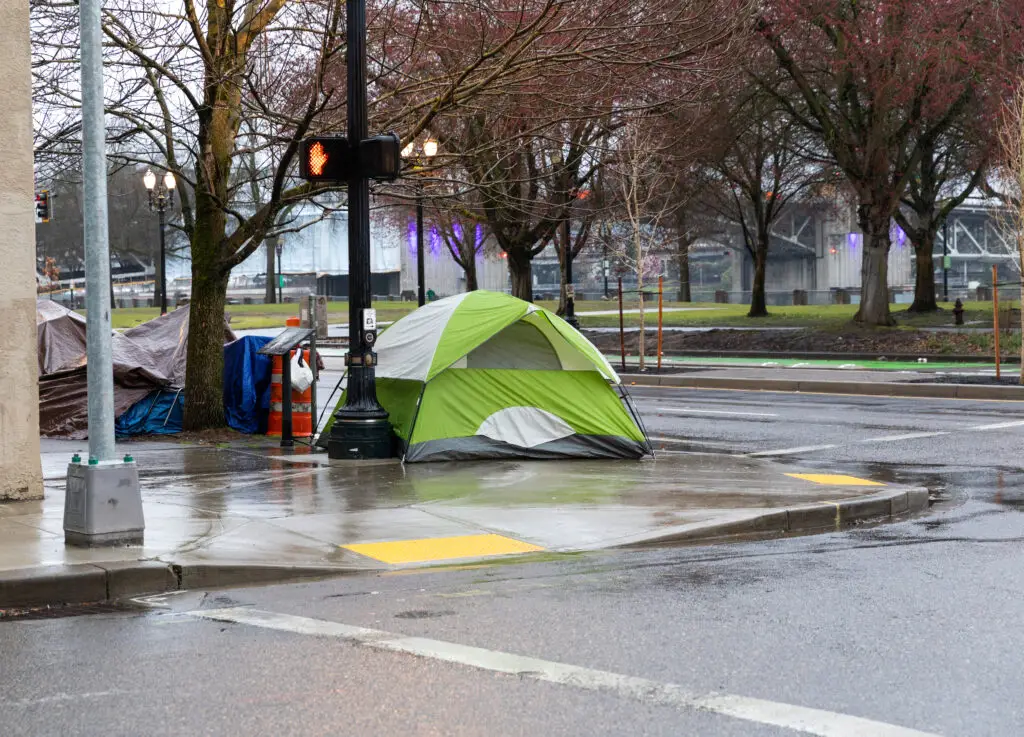
The Portland, Oregon metro region continues to face a persistent and worsening crisis of street and unsheltered homelessness fueled by:


  •  A chronic shortage of deeply affordable and permanent supportive housing (PSH).


  • Large, core populations with high prevalence of severe substance use disorders (SUD).


  • Large, core populations with co-occurring severe and persistent mental illness (SPMI), including substance-induced psychosis and decompensated schizophrenia.


  • A system of behavioral health care that has, for decades, been under-resourced, and even with some new resources from the state coming online, it will continue to be under-resourced.


  • An acute behavioral health continuum that does not empower meaningful civil commitment, stabilization and subsequent community re-entry for a core population repeatedly cycling through healthcare and housing systems.


  • An entire network of affordable housing, including PSH, operating within an environment lacking a behavioral health system of care sufficient to meet identified population health needs.


Individuals with high acuity behavioral health needs are disproportionately represented among those who are chronically houseless (San Francisco Benioff Homelessness and Housing Initiative, 2025). Some of these individuals are too clinically unstable to benefit from housing alone, resulting in eviction and return to unsheltered homelessness. Assessed as individuals who are highly vulnerable with qualifying barriers to housing, these individuals are often prioritized by our region’s Coordinated Entry System (CES) for Housing First oriented placement with the belief they will seek services and, through engagement, clinically stabilize.

Other Posts

Report #14 Why Portland Needs the Five Principles and  Accountability Criteria

Report #14 Why Portland Needs the Five Principles and Accountability Criteria

Report #14 Why Portland Needs the Five Principles and Accountability Criteria A framework for moving from managing homelessness to measurable results Introduction Portland and Multnomah County do not lack compassion, effort, or money. What they lack is a disciplined system that connects those resources to measurable outcomes. For years, our region has added programs, contracts, […]

Report #13 ACCOUNTABILITY:  Measuring Activities OR Results?

Report #13 ACCOUNTABILITY: Measuring Activities OR Results?

Report #13 ACCOUNTABILITY: MEASURING ACTIVITIES OR RESULTS? Accountability is a foundational principle in governance and organizational management. It can be defined as the obligation of individuals or institutions to explain, justify, and answer for their actions, decisions, and use of resources. It means being responsible for one’s conduct and facing consequences when expectations are not […]

Report #12 TURNING THE TIDE Reducing the Number of the Homeless

Report #12 TURNING THE TIDE Reducing the Number of the Homeless

Reality: Inflow Exceeds Outflow Despite immense spending, the Homeless Services Department’s (HSD’s) monthly dashboard reveals a sobering trend. During 2025, the number of people falling into homelessness consistently exceeded those exiting the system. On average, 295 more individuals became homeless each month than those who found a way out. In 2025, an average of 1,467 […]