

Ten years of advocating, building, and making an impact.
In 2016, Portland real estate developer Homer Williams visited Haven for Hope in San Antonio, a campus that brings shelter, treatment, and services together in one place with one plan for each person. He came home convinced Portland could do the same, and with Don Mazziotti he founded Oregon Harbor of Hope as a 501(c)(3) nonprofit.
The city, county, and state are working hard to address our crisis, but they cannot solve this problem alone.Homer Williams, Founder and Chairman
Over the next nine years Oregon Harbor of Hope built and ran a shelter, put service trucks on the road, handed out thousands of tents, matched people into spare rooms, and placed hundreds of people into housing and programs, all with private money. Each project taught us something. The biggest lesson was this: Portland does not lack money or good intentions. It lacks a system that is accountable for results. That lesson became The Five Principles, and the gap we saw at the prison gate became First Step.
- 2016
Oregon Harbor of Hope is founded
After visiting Haven for Hope in San Antonio, Homer Williams founds a nonprofit built on one idea: shelter, treatment, and services in one place, with one plan for each person. Visit Haven for Hope
- 2018
Homeless services
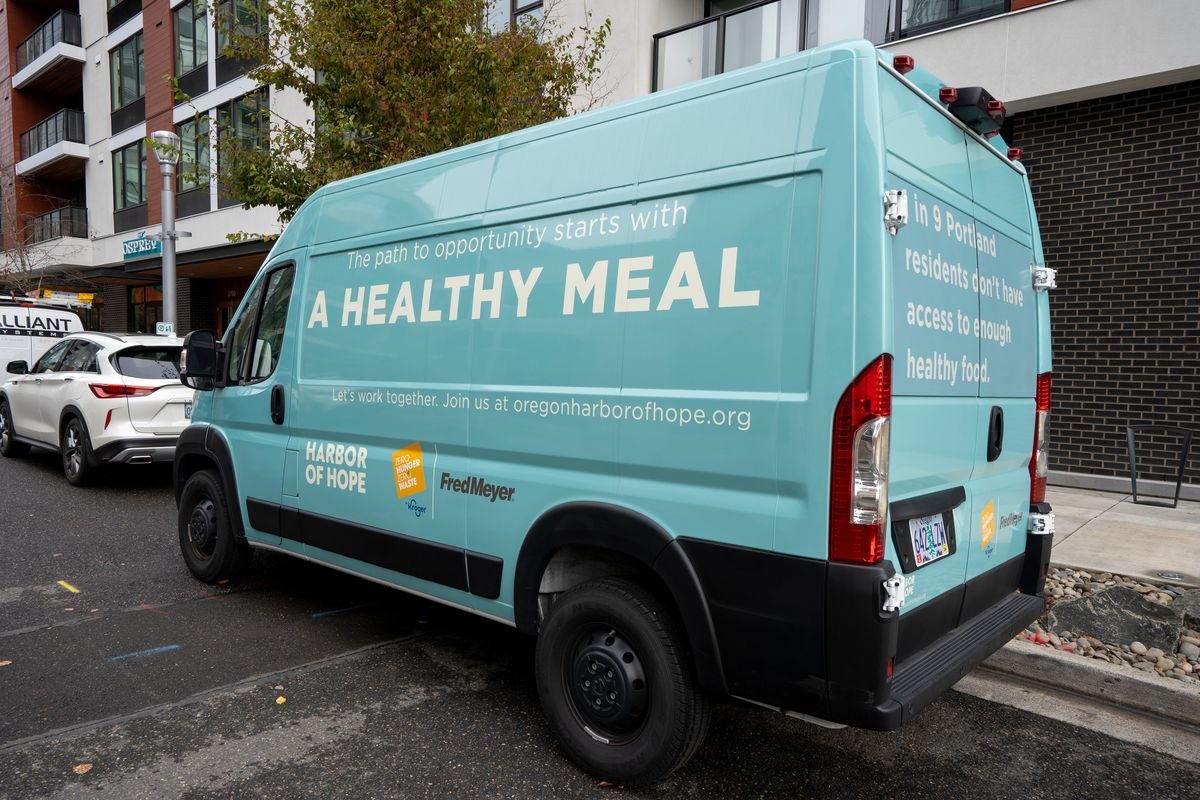
Our first privately funded services: mobile shower and laundry trucks for people living outside, run with Union Gospel Mission, plus support for Portland Street Medicine and the student-run CardsCook meal program. The two trucks go on the road the following year with about $400,000 in private money: five shower stalls, four washers and dryers, and two barber chairs on a rotating schedule across Multnomah, Clackamas, and Washington counties.
- 2019
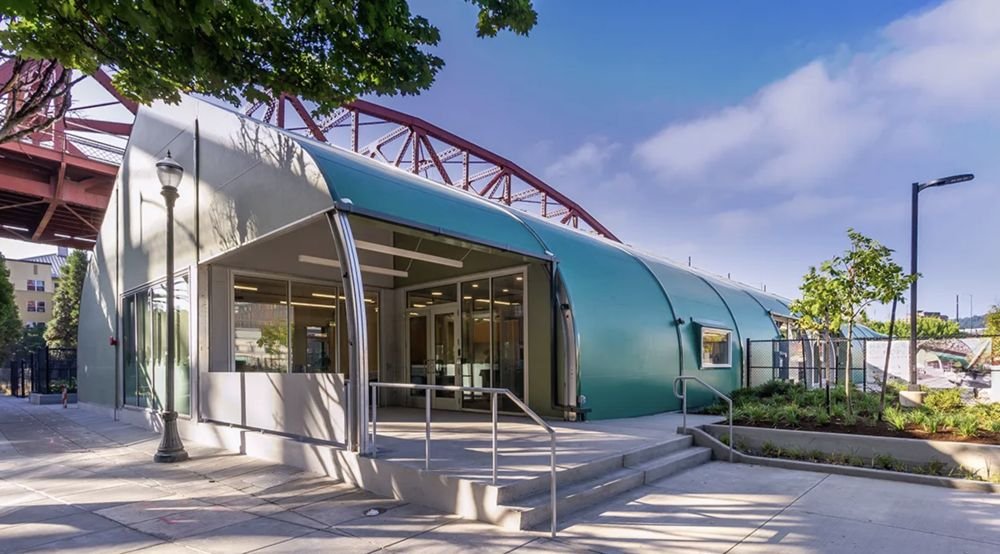
River District Navigation Center
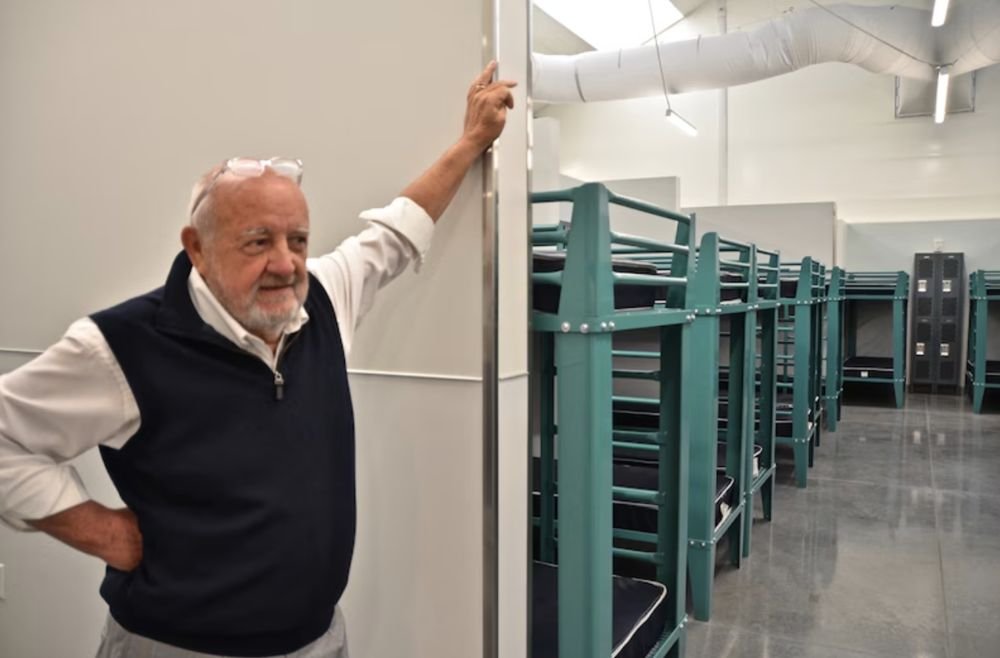
We build and open a 100-bed, 24/7 shelter under the Broadway Bridge at 1111 NW Naito Parkway with about $4 million in private money, led by Tim and Mary Boyle. Street Roots on the opening and The Oregonian.
Oregon Harbor of Hope handed management of the center to the City of Portland on January 1, 2024, and is no longer involved in its operation. We stepped away because we could not get the outcome reporting we owed our donors. Read why we stepped away (KOIN)
- 2020
Pandemic response and Home Share Oregon
We distribute thousands of tents, sleeping bags, and masks across the metro with the Oregon Community Foundation, and launch Home Share Oregon to match homeowners with spare rooms to people who need an affordable place to live. Visit Home Share Oregon
- 2021
700 people placed
In fifteen months, Oregon Harbor of Hope places about 700 people into housing or programs, roughly half of them working. Read the Willamette Week story
- 2023
Kids Speak Out
A 10-episode series on KOIN 6 in which young people talk about homelessness, mental health, and their community. Watch Kids Speak Out on KOIN
- 2024
Portland Voice
Portland Voice publishes its first report on the county's homeless system: what it spends, what it delivers, and what the results are. Read Portland Voice
- 2025
Three programs, one purpose
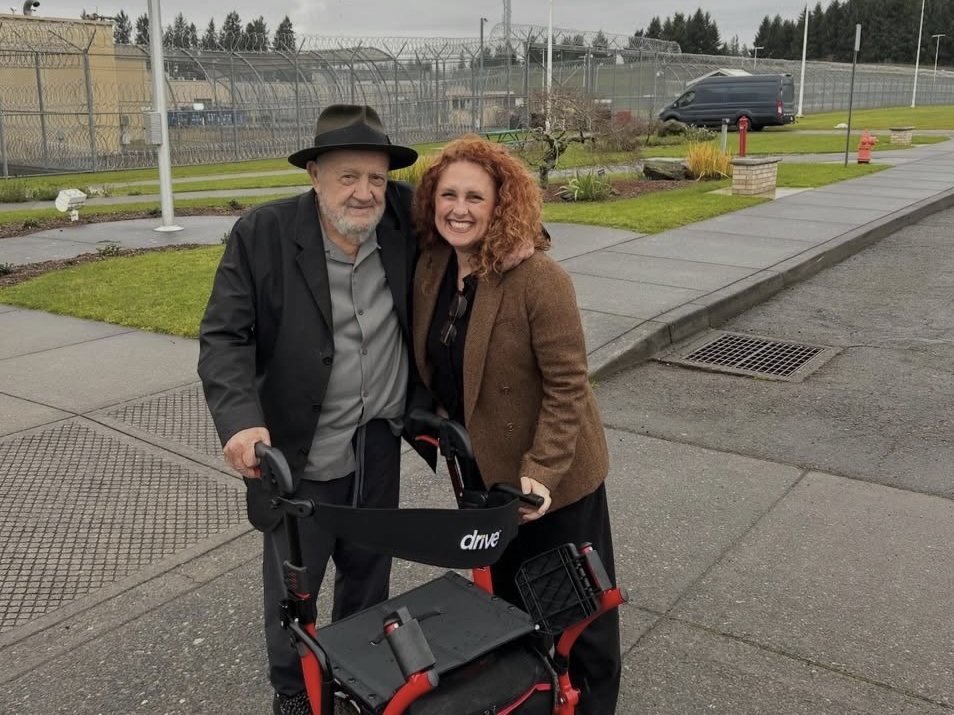
The Five Principles Campaign and The Accountability Criteria. First Step Reentry Navigation and Fund, designed after two days inside Coffee Creek Correctional Facility. Portland Voice, reporting on what the county spends and what it delivers. The Five Principles, First Step, Portland Voice
The people behind the work.

Homer Williams
Founder and ChairmanOne of Portland's best known developers. With his partner Dike Dame, Homer turned the 34-acre Hoyt Street rail yards into the Pearl District, negotiating the 1997 River District plan that brought the streetcar, removed the Lovejoy ramp, created new parks, and led to some 3,000 homes and more than 200,000 square feet of shops and offices. He went on to lead the South Waterfront and its aerial tram, and earlier developed Forest Heights in the West Hills and Broken Top near Bend. He founded Oregon Harbor of Hope in 2016 after visiting Haven for Hope in San Antonio, convinced that a city is built by building up the people in it.
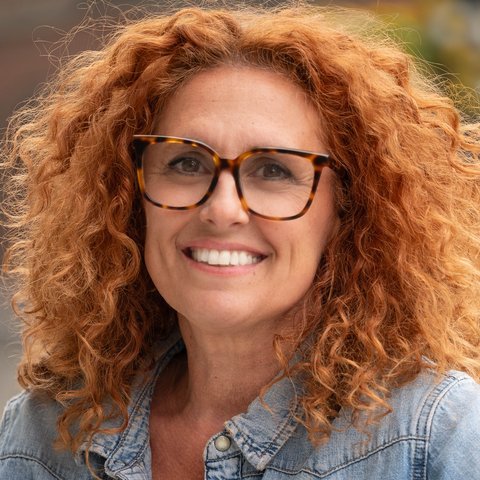
Patrizia Montanari
Executive DirectorBorn and raised in Milan, Patrizia lived and worked in New York, Amsterdam, Los Angeles, San Francisco, and Dallas before settling in Portland in 2017. An artist, photographer, and entrepreneur, she built a career in portraiture and design and has taught photography in Portland and Dallas. She became Executive Director of Oregon Harbor of Hope in 2025 and leads its three programs, bringing a portraitist's attention to people and a builder's impatience with systems that do not deliver. She is bilingual in Italian and English.
Rob Justus, Board of Directors
Whitney Friel, Board of Directors
Michael Royce, Board Advisor
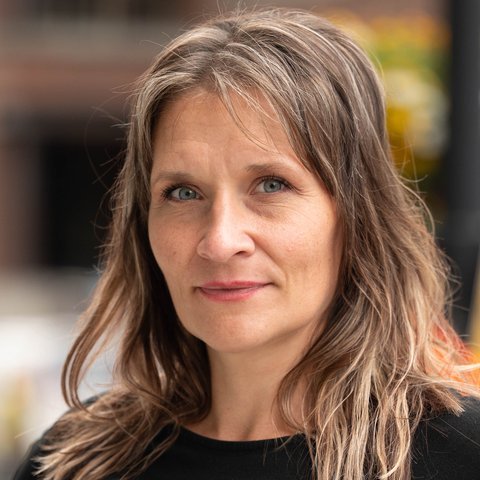
Drasida Martushev
Reentry Support CoordinatorDrasida Martushev is the Reentry Support Coordinator at Oregon Harbor of Hope and a Certified Recovery Mentor (CRM). She works with women returning home from Coffee Creek Correctional Facility and connects them to housing, employment, and other resources across the tri-county area. Drasida is passionate about helping women believe in themselves and find their way forward in life. She meets people where they are and walks alongside them as they take each next step.
Women who come home from Coffee Creek with our First Step Program come back to us as volunteers and become peer support navigators for the women who follow them. They know the road because they have walked it. Alongside them, volunteers from across Portland give their time to the women we serve and to The Five Principles Campaign and Portland Voice, which is fully run by volunteer editors.
We do not try to do everything.
We fund and navigate
First Step does not duplicate services that already exist. We make sure each woman reaches the right ones, and we pay for the basics that nobody else covers in the first ninety days: housing, a phone, transportation, and emergency funds.
We work through partners
Union Gospel Mission, Bybee Lakes Hope Center, Portland Rescue Mission, City Team, Good Circumstance, Hope for the Homeless Foundation, Gather Make Shelter, and many more. Our partners
We hold ourselves to the same standard
We ask Portland to measure its homeless system by results. So we measure First Step by The Accountability Criteria too: how many women we serve, how many stay stable and housed, and what it costs per person.
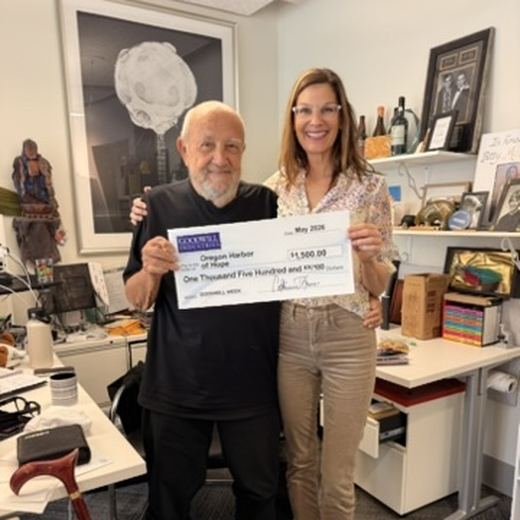
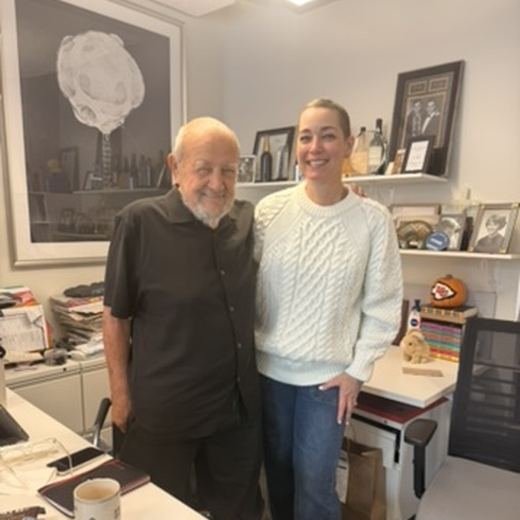
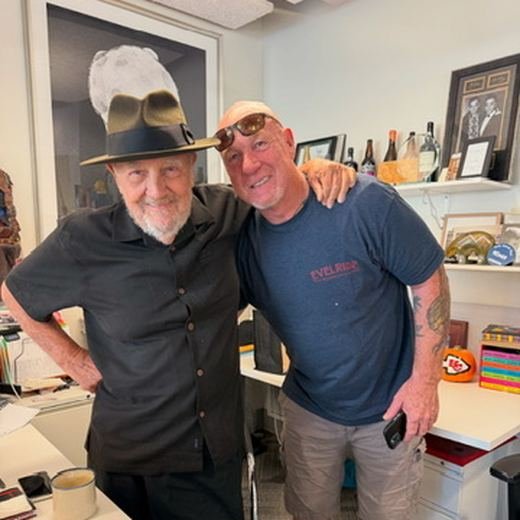
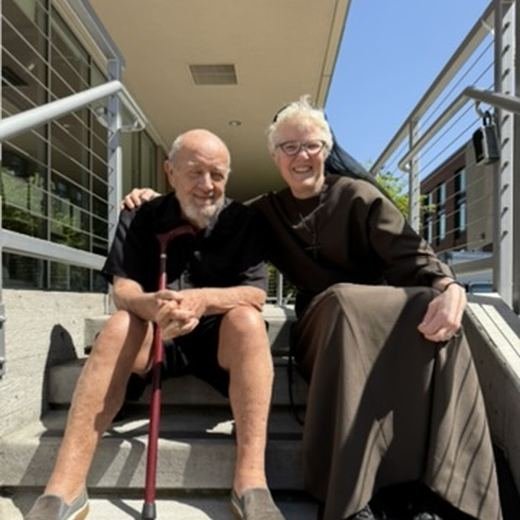
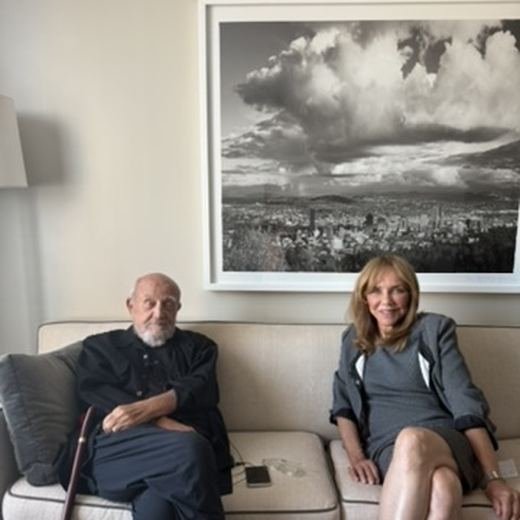
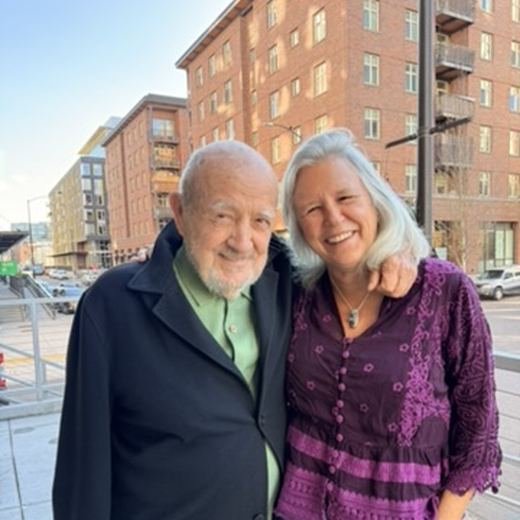
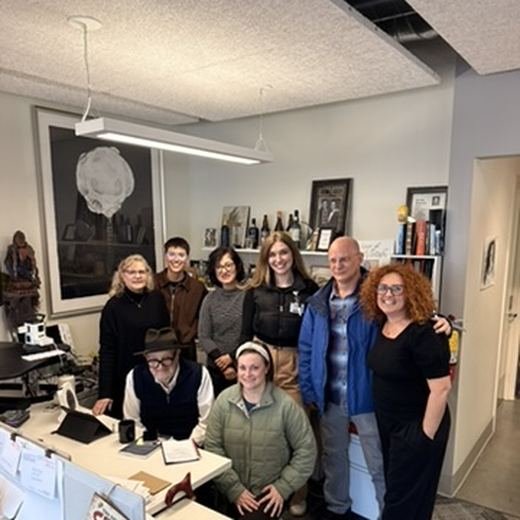
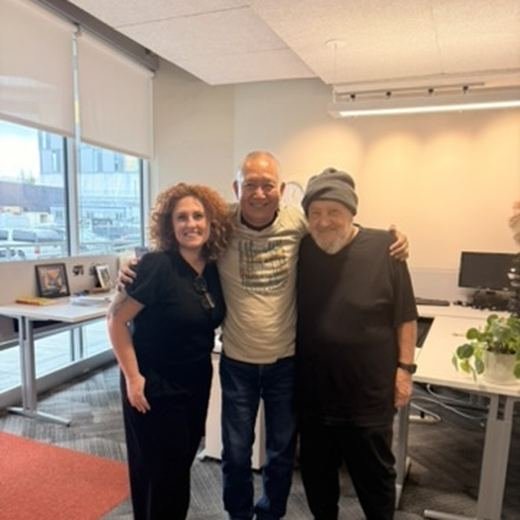
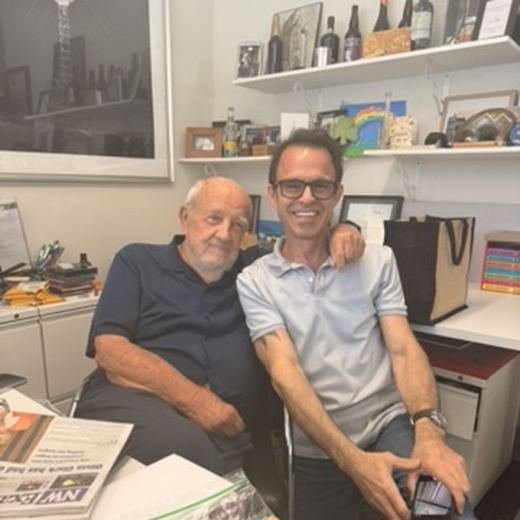
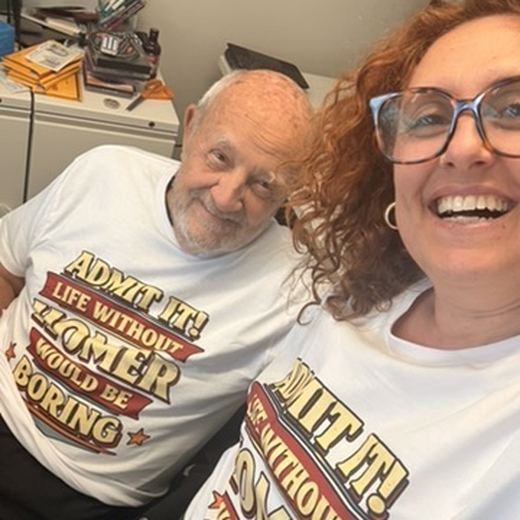
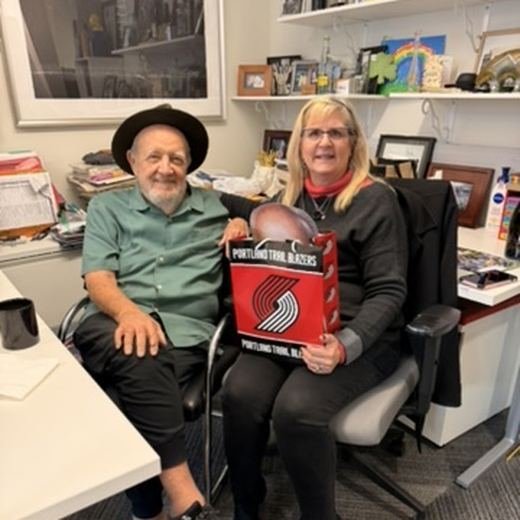
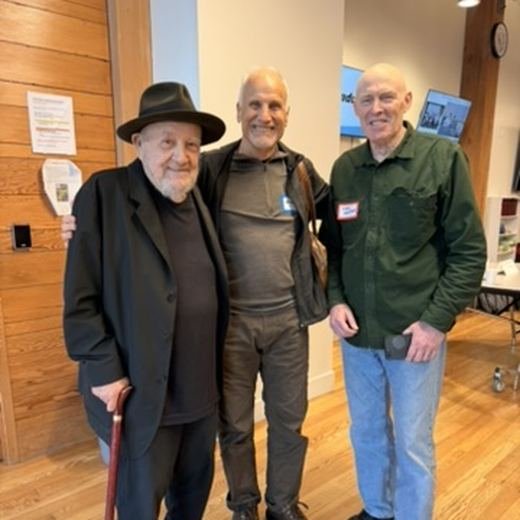
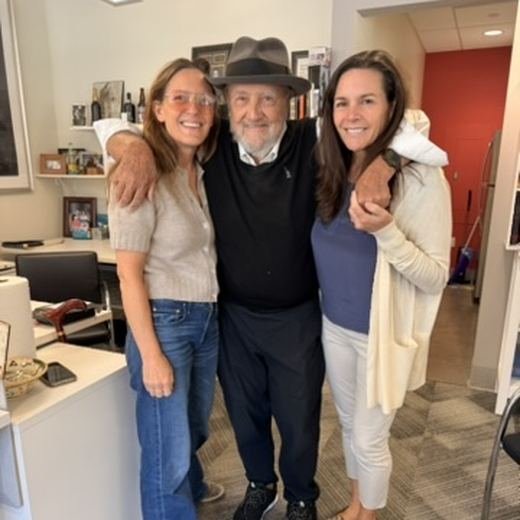
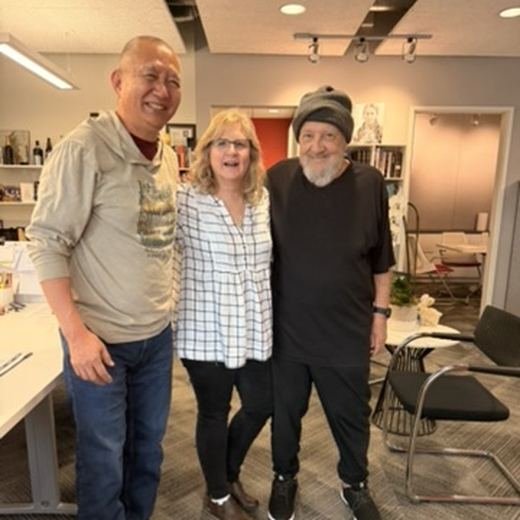
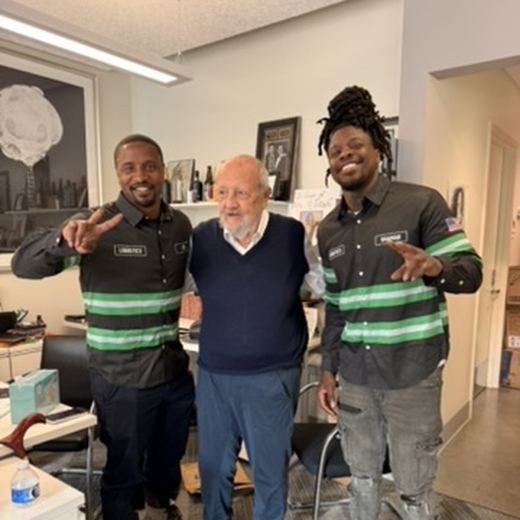
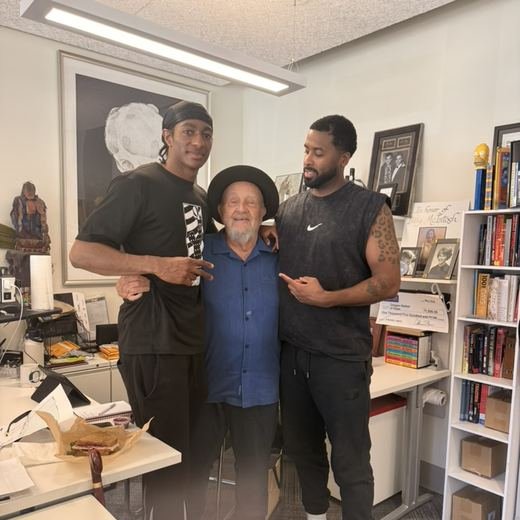
Homer, and the people we work with.
Nothing we do happens alone. Behind every program is a community of partners, donors, volunteers, staff, and friends who know each other by name, show up when it counts, and hold one another to the same standard we ask of the system. That is where our strength comes from. Not from size, but from knowing exactly who we work with, and trusting them.
Fully privately funded, on purpose.
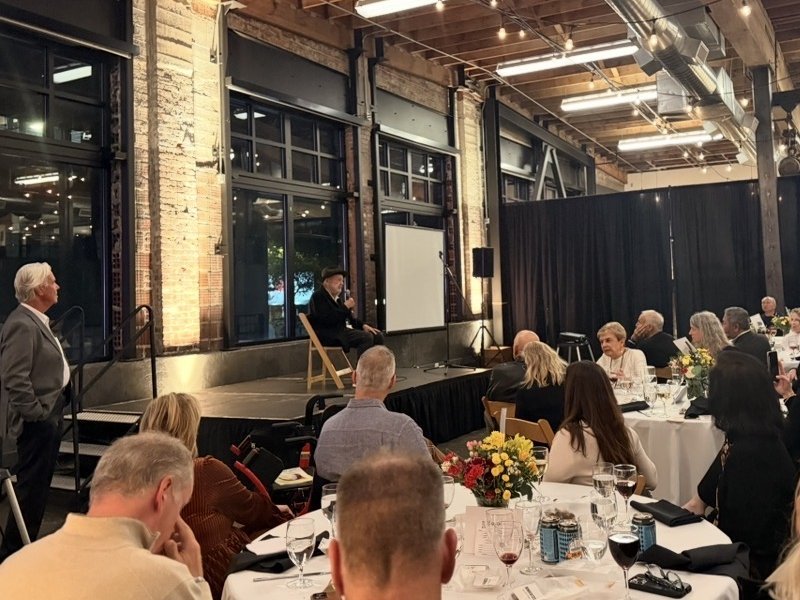
Oregon Harbor of Hope takes no government money. Our work is funded by individual donors, foundations, companies, and events. That independence is what allows Portland Voice to report on the county's homeless system without fear or favor, and what allows First Step to move quickly when a woman needs help today, not after a grant cycle.
It's time for accountability.
Endorse The Five Principles Campaign, sponsor a woman coming home, read Portland Voice, or give your time.